
 Facebook
 X
X
 Pinterest
 Copy Link
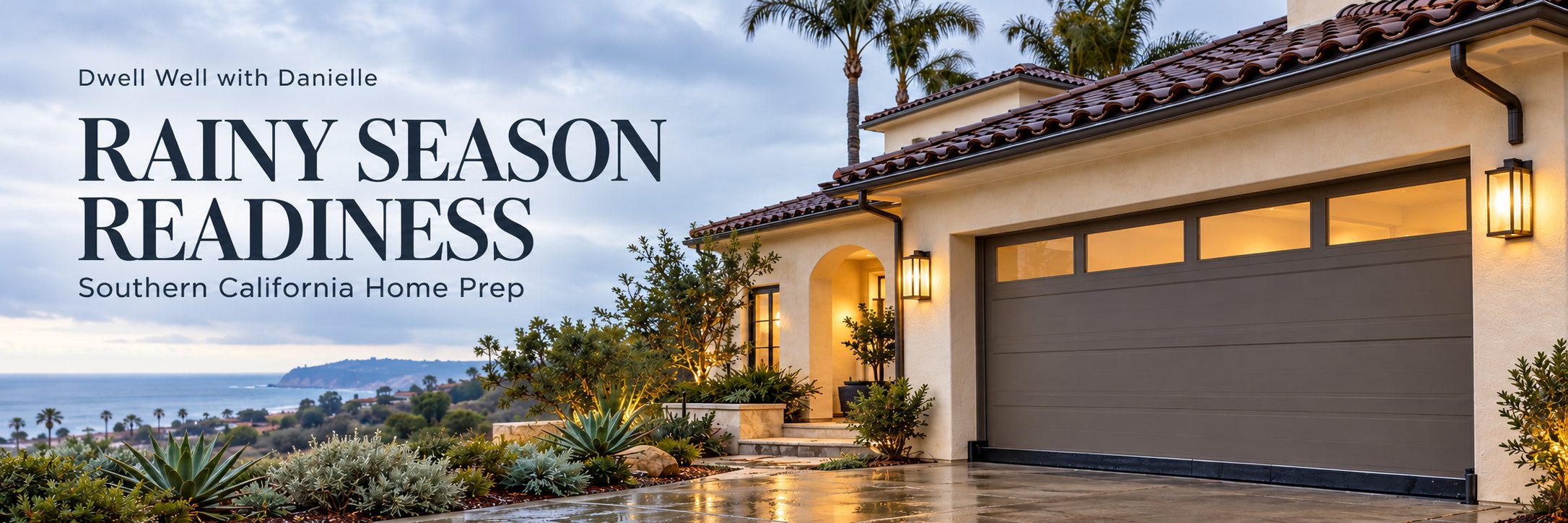 Southern California may be known for sunshine, but our homes need a plan for rainy days, too. October is a good time to tackle those easy-to-forget maintenance projects before a dripping ceiling or overflowing gutter gets your attention.
With El Niño in the conversation, preparation feels especially timely. NOAA’s October 8 outlook reports a strengthening El Niño, with a strong to very strong event likely through early 2027. That does not guarantee a wetter winter in every neighborhood, so local forecasts still matter.
Here are a few things to put on your fall home checklist.
Clear Gutters And Check Drainage
Remove leaves and debris from gutters, downspouts, and privately maintained yard and patio drains. Check that runoff moves away from your home without creating a problem for neighboring properties.
Pay attention to spots where water has pooled before, especially near garage doors, patios, and low areas beside the house. If drainage is consistently slow, have it checked before the next storm. San Diego County’s storm preparedness guidance offers helpful advice for inspecting drainage and managing runoff.
Address Roof Leaks And Worn Seals
That old ceiling stain or occasional drip deserves attention before another rainy season. Schedule a roof inspection if you have a known leak or visible damage, and have a professional handle work that requires roof access.
Walk through your home and check for damaged weatherstripping or obvious gaps around exterior doors and windows. These are good items to flag for repair while the weather is dry. Los Angeles County recommends repairing roof leaks before storms arrive.
Prepare Your Garage For Water Intrusion
Give your garage a little extra attention, especially if the driveway slopes toward it.
- Inspect the door seals. Look for cracked rubber, worn weatherstripping, and gaps along the bottom and sides of the closed door. Have a garage door professional repair or replace damaged seals.
- Clear nearby drains. Remove leaves and debris from driveway channels, grates, and privately maintained drains. If runoff repeatedly flows toward the garage, ask a drainage professional about a lasting fix.
- Move storage off the floor. Put holiday decorations, photos, electronics, and cardboard boxes on shelves. Use sturdy plastic bins for items you keep in the garage.
- Have a barrier ready. Measure the opening and choose a suitable barrier length. Follow the manufacturer’s placement and pre-activation instructions before storm runoff arrives.
Door seals and temporary barriers can help with minor water intrusion, but recurring pooling deserves a professional drainage assessment. Clopay’s garage weatherstripping guide explains what to look for when checking your seals.
Give Your Yard A Storm Check
Inspect slopes and drainage paths for erosion or blockages. Bare soil may need vegetation, mulch, or other suitable erosion controls. Bring loose outdoor items under cover and secure patio umbrellas and lightweight furniture.
If your property has a history of water intrusion, check city or county sandbag resources ahead of time. Pickup locations and supplies vary. Homeowners near recently burned hillsides should also watch for flash flood and debris flow warnings; even a relatively small amount of rain can create hazards in burned areas. The National Weather Service explains these risks.
Refresh Your Emergency Supplies
Keep flashlights, extra batteries, a charged phone power bank, and essential supplies somewhere easy to reach.
Start with at least three days of nonperishable food and water. Plan for at least one gallon of water per person per day for drinking and sanitation, with additional water and supplies for pets. Add medications, a first aid kit, and copies of important documents in a waterproof container. The City of San Diego’s emergency kit checklist is a useful place to start.
Check Your Insurance Coverage
Most homeowners insurance policies do not cover flood damage. Ask your insurance professional what your policy covers and whether separate flood coverage makes sense for your property.
Timing matters: National Flood Insurance Program policies generally have a 30-day waiting period, with some exceptions. Have that conversation before a storm is approaching. Learn more about buying flood insurance.
Two Useful Amazon Essentials
Quick Dam Water Activated Flood Barrier
These barriers are compact and lightweight before use, so they are easy to store until you need them. They expand when wet to help absorb and divert freshwater runoff near vulnerable entrances. The linked option is 17 feet long; measure your opening before choosing a size.
Keep unactivated barriers dry in their closed packaging. Follow the manufacturer’s placement and pre-activation instructions, and do not drive over fully expanded barriers. These water-activated barriers are not suitable for saltwater flooding. See Quick Dam’s setup and storage guidance.
Energizer WeatheReady Emergency Lantern
A battery-powered LED lantern that provides hands-free light during an outage. Keep it in an easy-to-find spot with the correct spare batteries.
Stay Connected When Storms Approach
Sign up for your county’s emergency alerts, follow local forecasts, and know your evacuation route if your neighborhood is vulnerable to flooding or debris flows. Never walk or drive through floodwater.
A little attention now can help you feel more prepared when the weather changes. Taking care of a home includes the less glamorous projects, and those are often the ones we are happiest to have handled early.
Need help finding a local professional for a roof inspection or home maintenance project? I’m happy to help you connect.
